












Timor Aid
Timor Aid is researching and documenting the rich cultural traditions of communities in and around Timor-Leste since more than 20 years. Explore some of our research projects below.
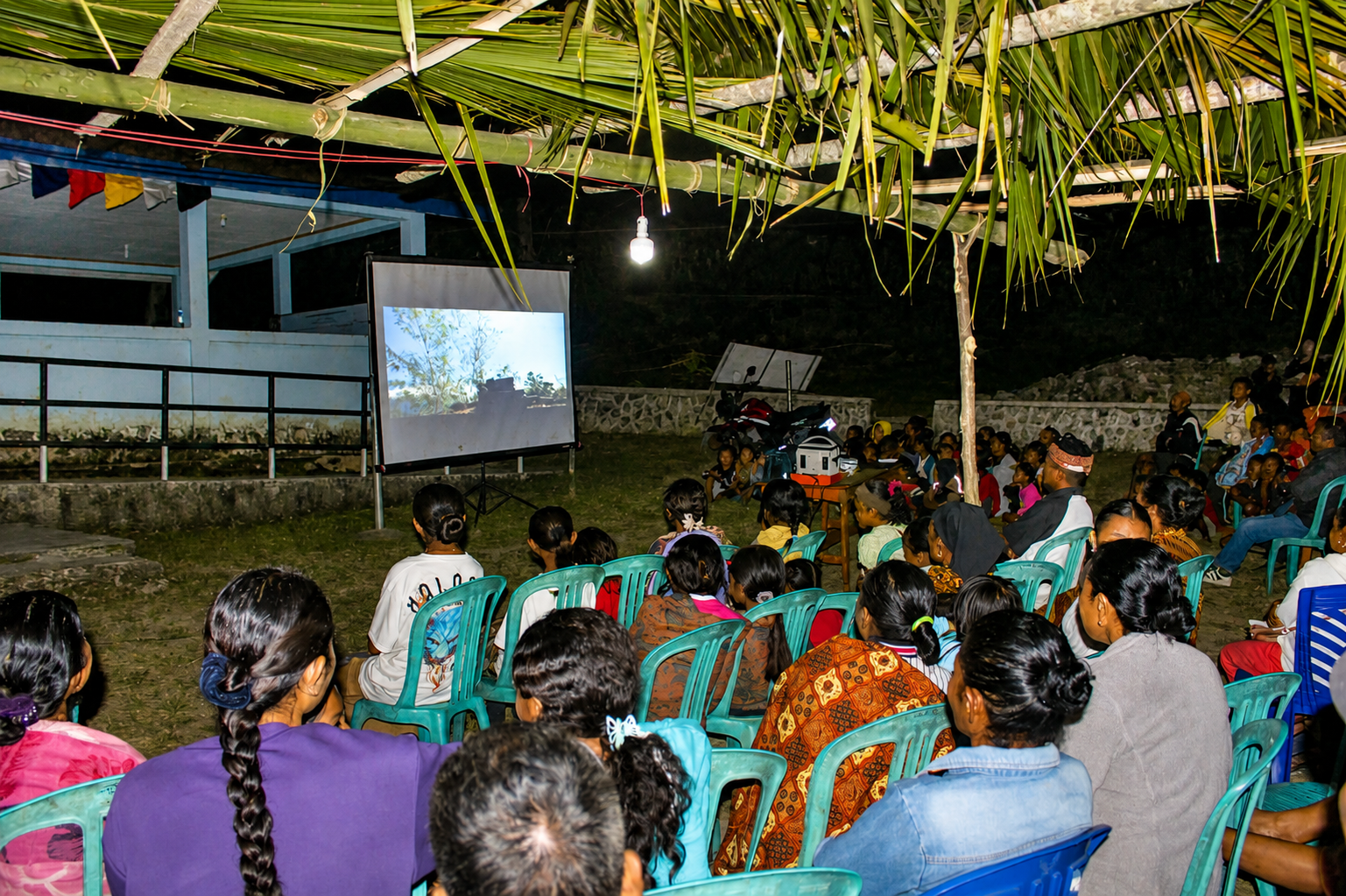
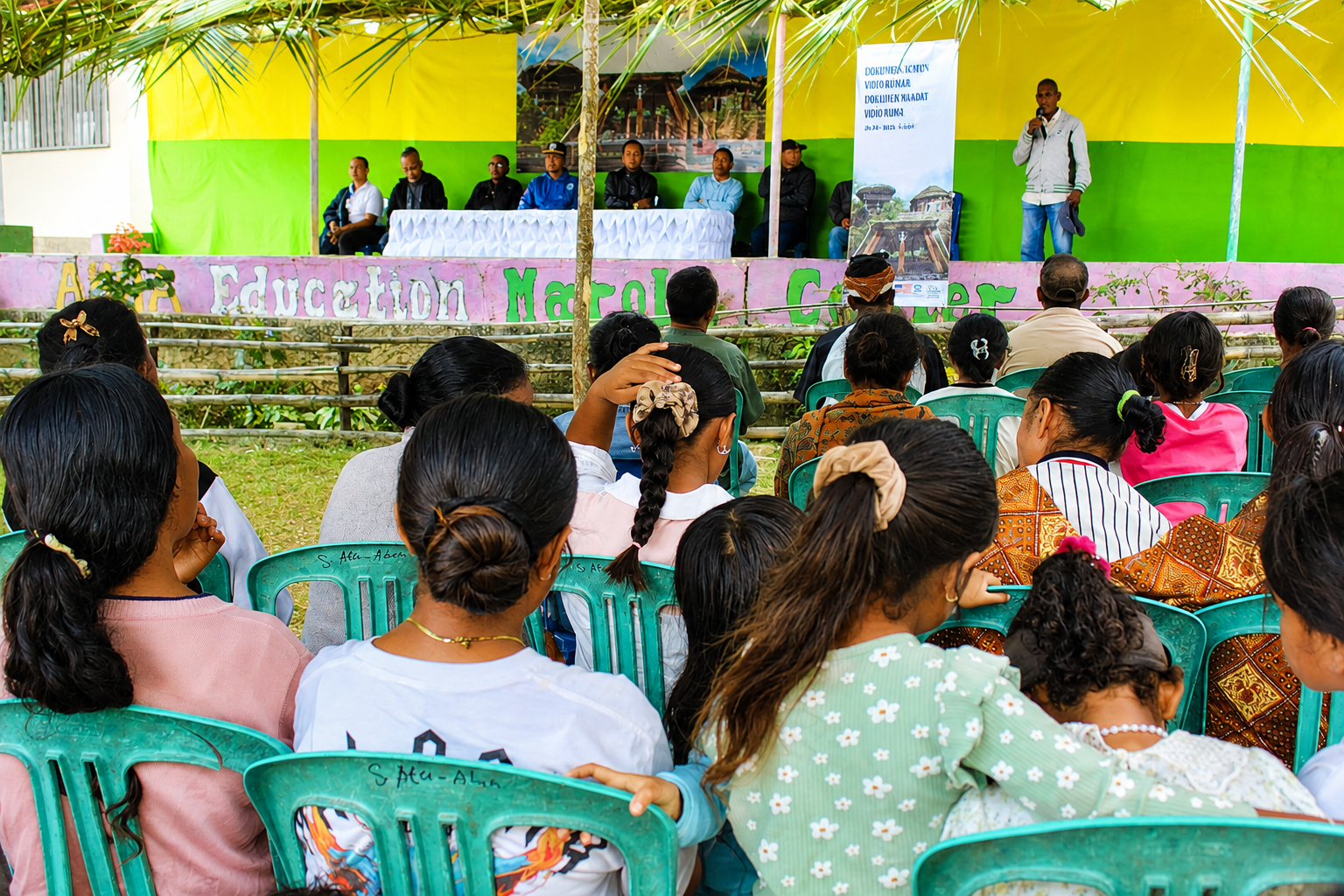
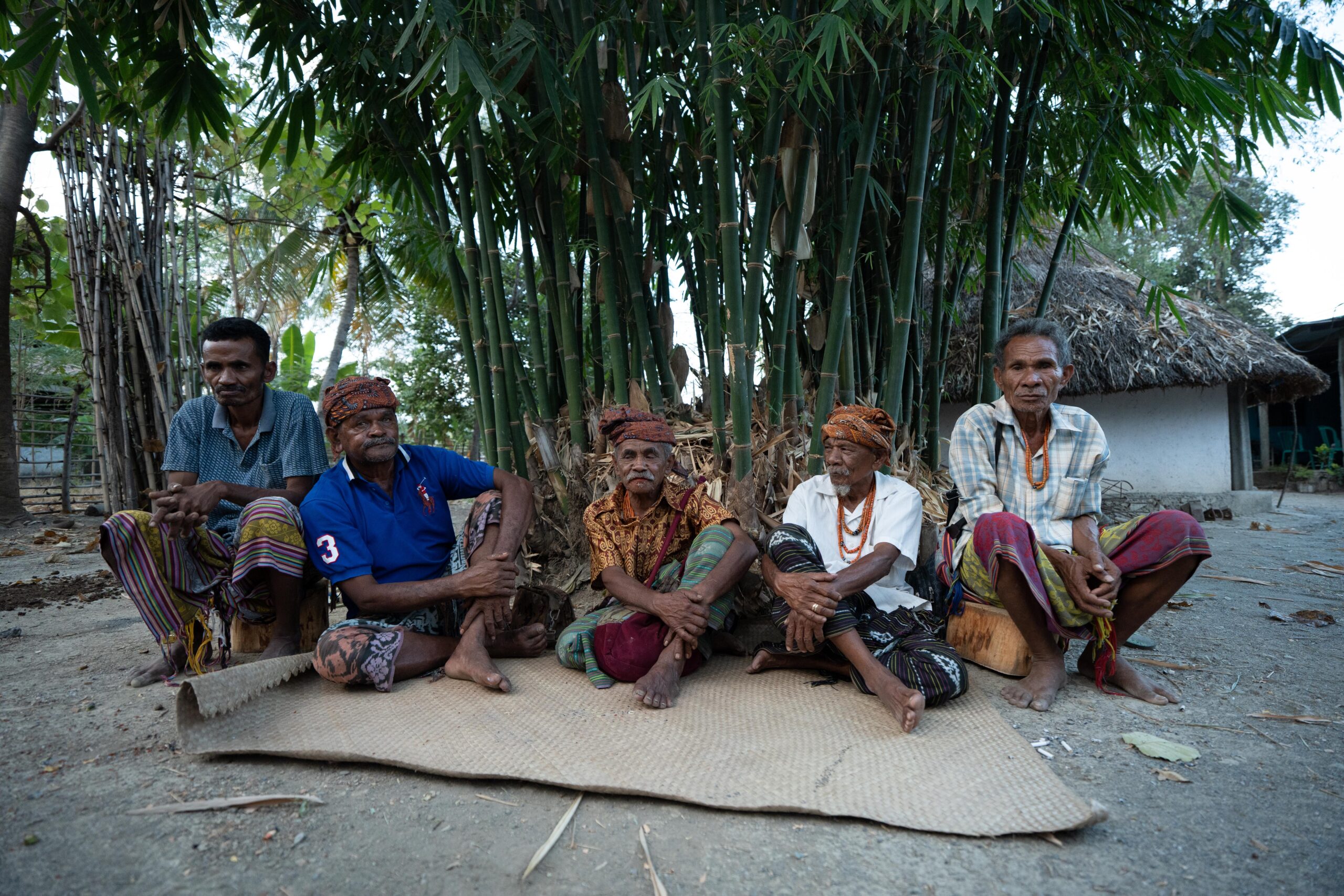
AFCP Project (2024–2026) – Research and Video Documentation of Uma Lulik in Four Municipalities: Bobonaro (Marobo), Covalima (Uma Dato Babulu), Oe-Cusse (Uma Lulik Na Bobo), and Viqueque (Uma Lulik Bahadanak).
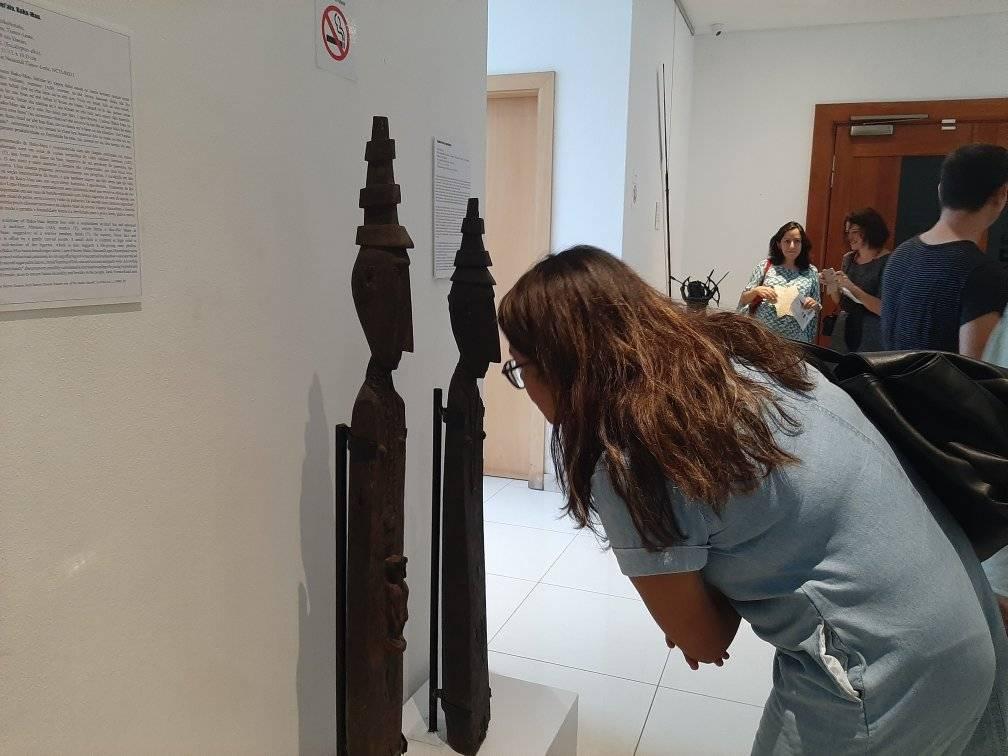
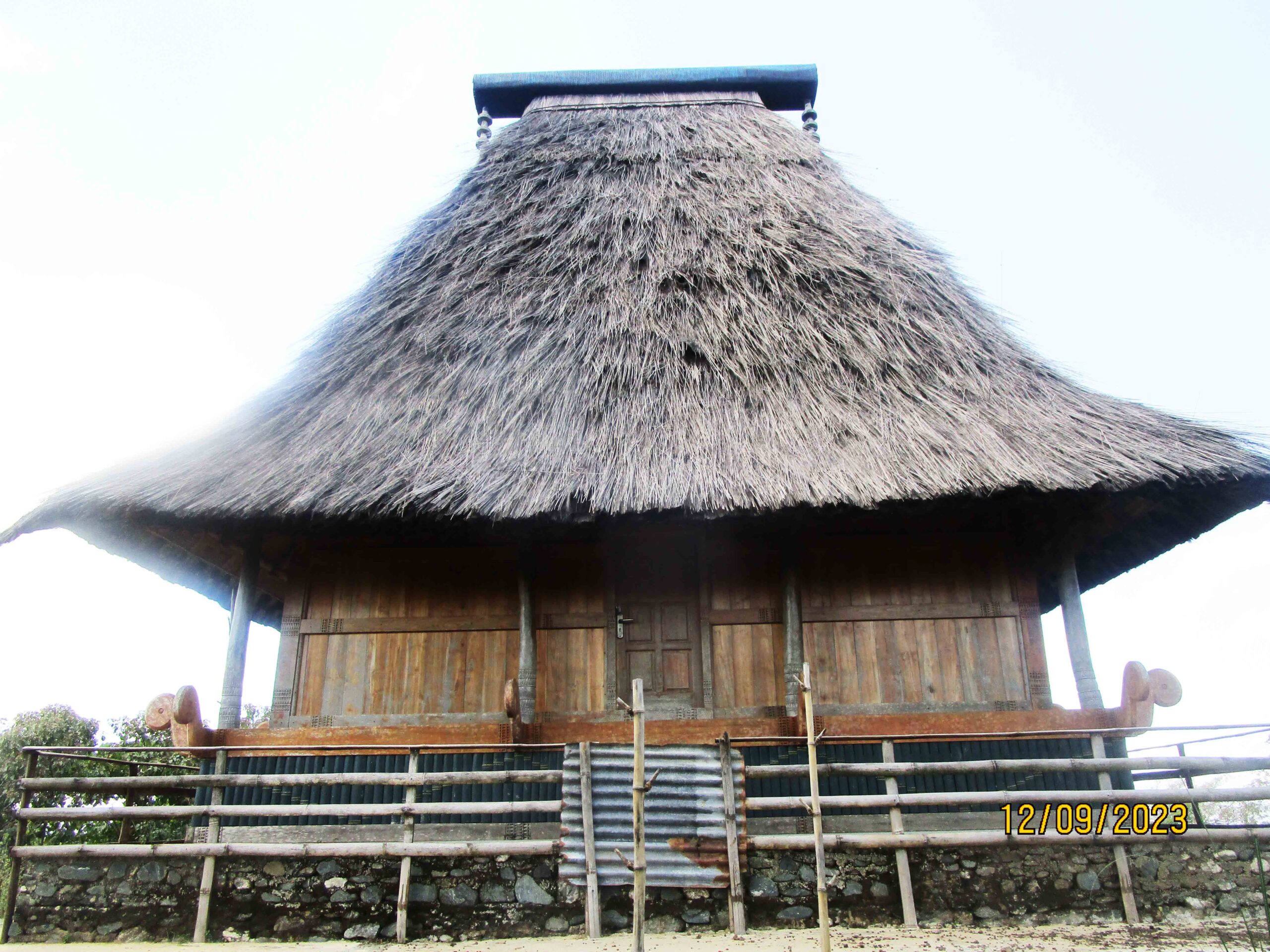
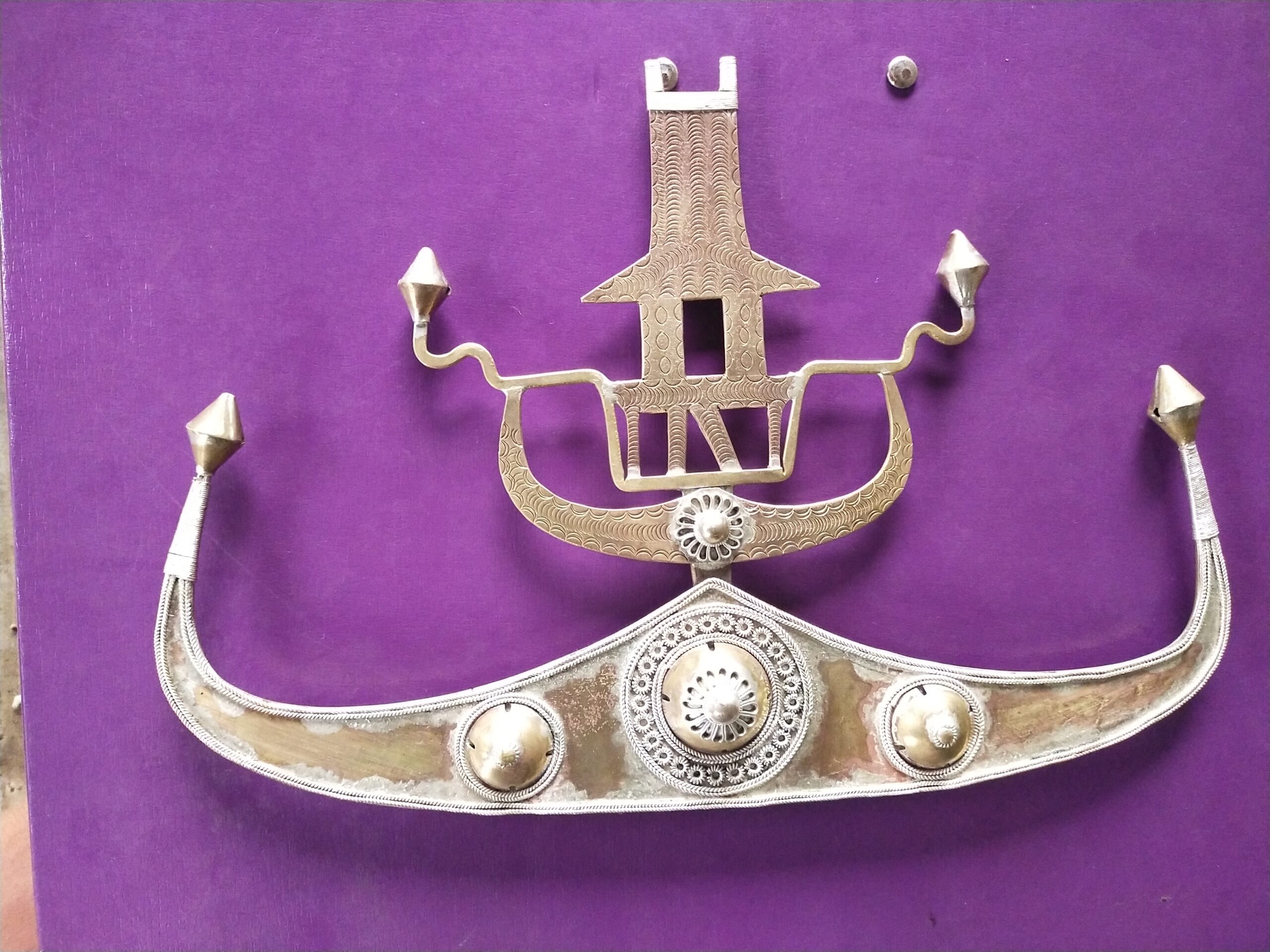
Uma Lulik (‘Sacred house’) are the most potent symbol of Timor-Leste’s cultural heritage. Uma Lulik, is also called Uma Lisan and Knua. They represent the ancesstry of a Clan that speaks a distinct language with its own cultural traditions. Each Uma Lulik is associated by other natural elements such as Fatuk Lulik (sacred stone), Ai-Lulik (sacred tree) Bee Lulik (sacred water) where rituals are performed for ancestors seeking ‘’ Matak Malirin” (meaning “the green and the cool” in Tetun) is a metaphorical symbol for peace, prosperity and good health. Uma Lulik are places where sacred ancestral objects are kept, such as Tais (sacred cloths), surik (ritual swords), masks and statues of ancestors, belak (medallions representing the sun and power), kaibauk (head ornaments in the shape of crescent moons or buffalo horns), and mortein (ornamental beads) and other traditional objects are kept. Their display is only permitted under certain circumstances, such as during harvest celebrations, when they are removed by the clan members to whom they belong.
Key Characteristics
Architecture: Typically built on stilts using natural materials like wood, bamboo, and thatch, they feature steeply pitched roofs that often mimic the shape of buffalo horns, birds, representing the ancestors . Designs and styles vary among different ethno-linguistic groups.
Cultural Significance: They house sacred heirlooms and are the focal points for ancestral ritual milestones, including births, weddings, and funerals.
Rebuilding Cycle: Uma Lulik are usually renovated or rebuilt entirely every five to 10 years. This cycle serves to revitalize family ties, ancestral loyalty, and mutual responsibility.
Historical Resilience: Many Uma Lulik were destroyed during wars and colonisation. Since independence in 2002, there has been a significant resurgence and reconstruction of Uma Lulik as a symbol of national and cultural identity.
Timor Aid has spent the past two years documenting four Uma Lulik:
- Na Bobo in Oé-cusse, RAEOA (Baikenu/Dawan)
- Uma Dato Babulo, Matai, Covalima (Tetun Terik)
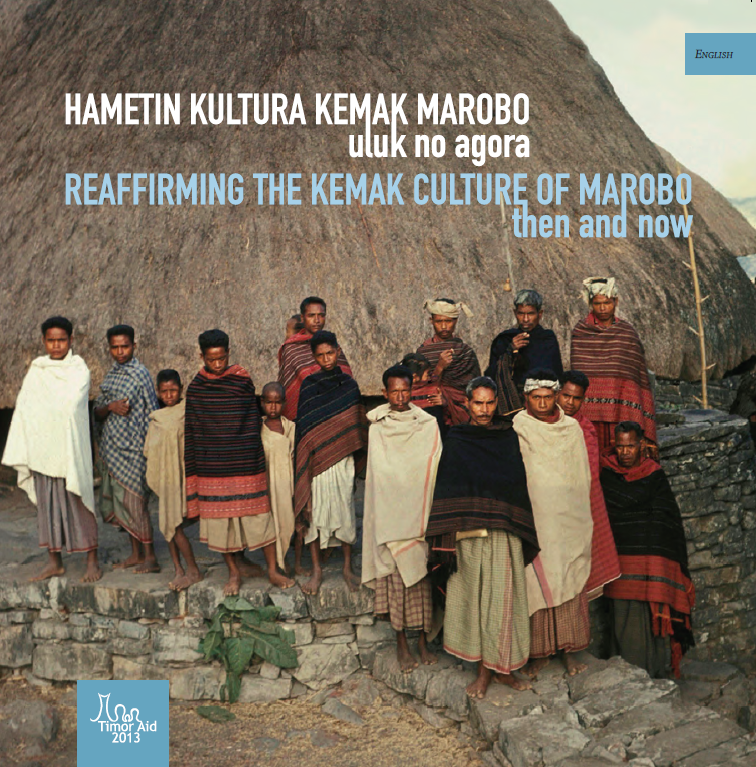
- Marobo, Bobonaro (Kemak)
- Bahadanak, Aitana, Viqueque (Tetun Terik)
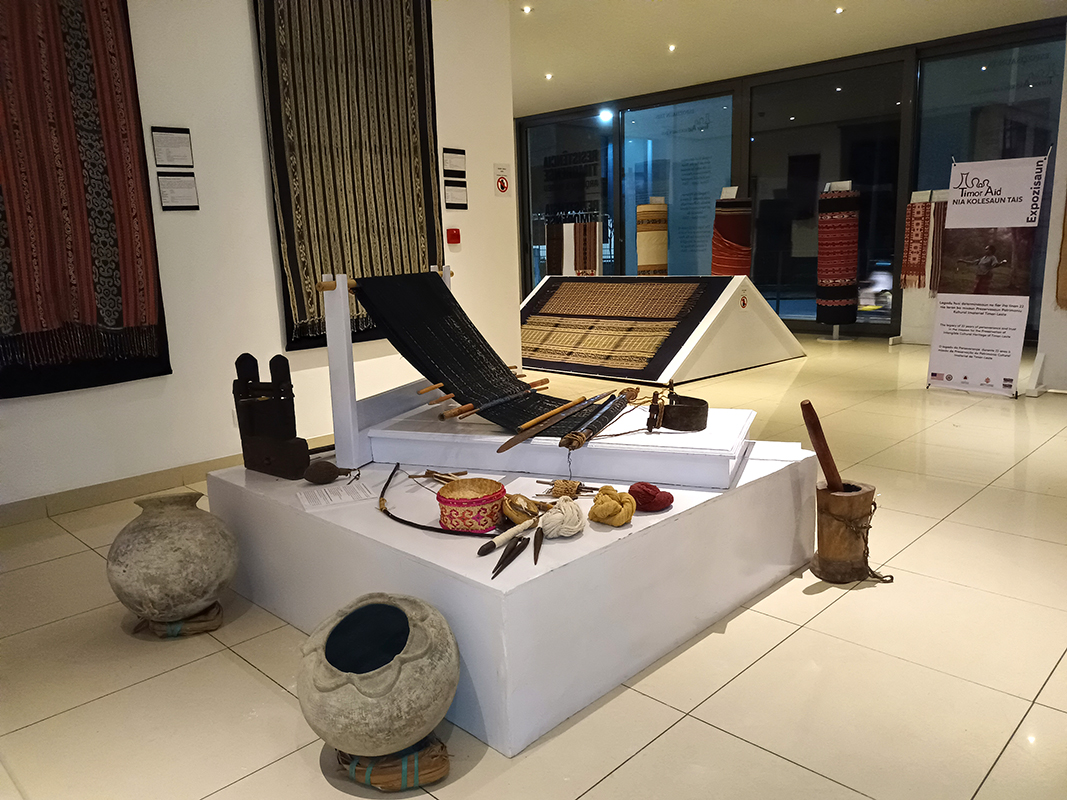
The purpose is the Cultural Preservation of Timor-Leste. The results of this project are saved in a curated database to be stored and displayed in the future Uma Tais / Tais Museum of Timor-Leste.
This Project is funded by the Ambassador’s Fund for Cultural Preservation – United States.
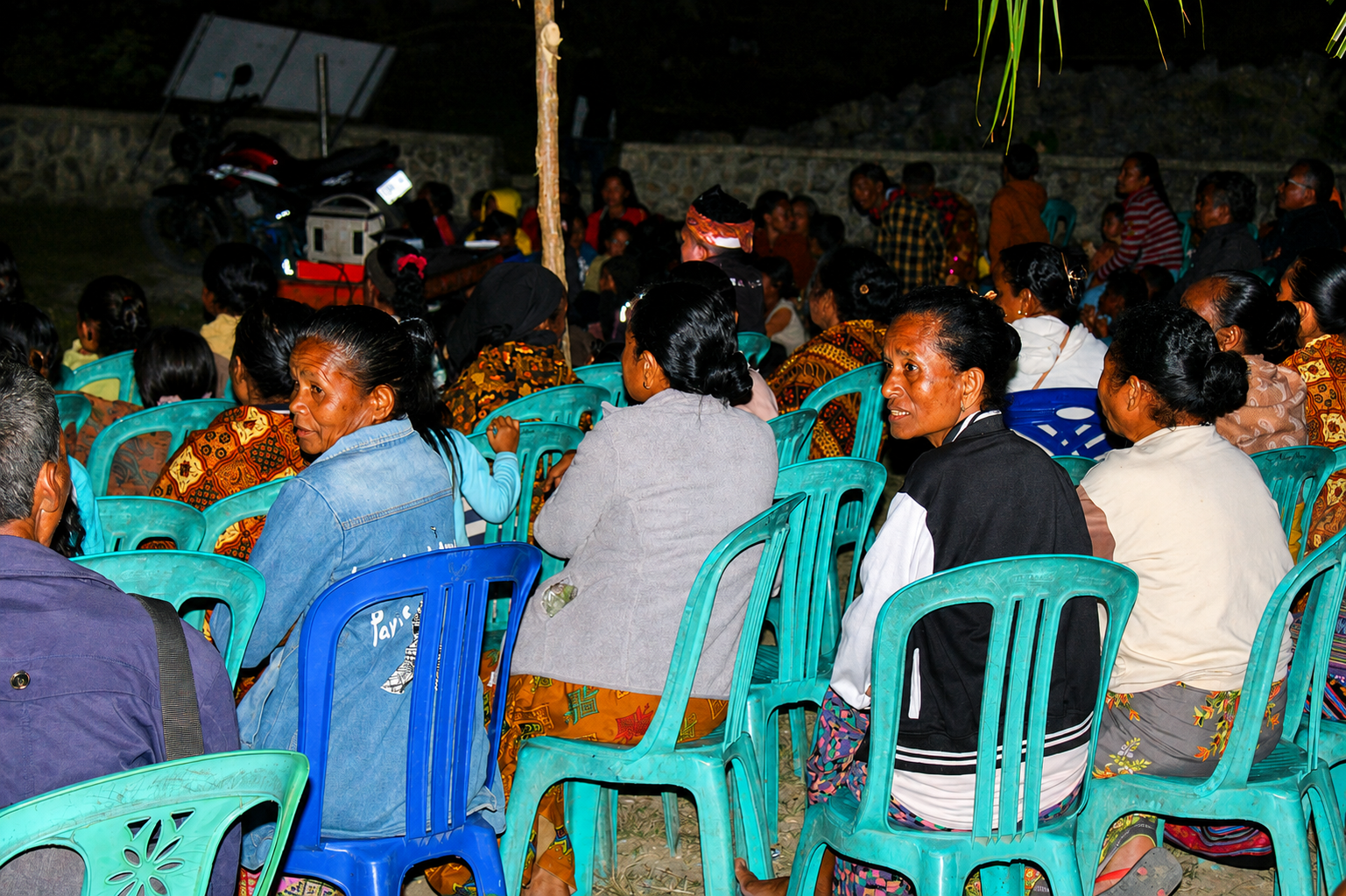







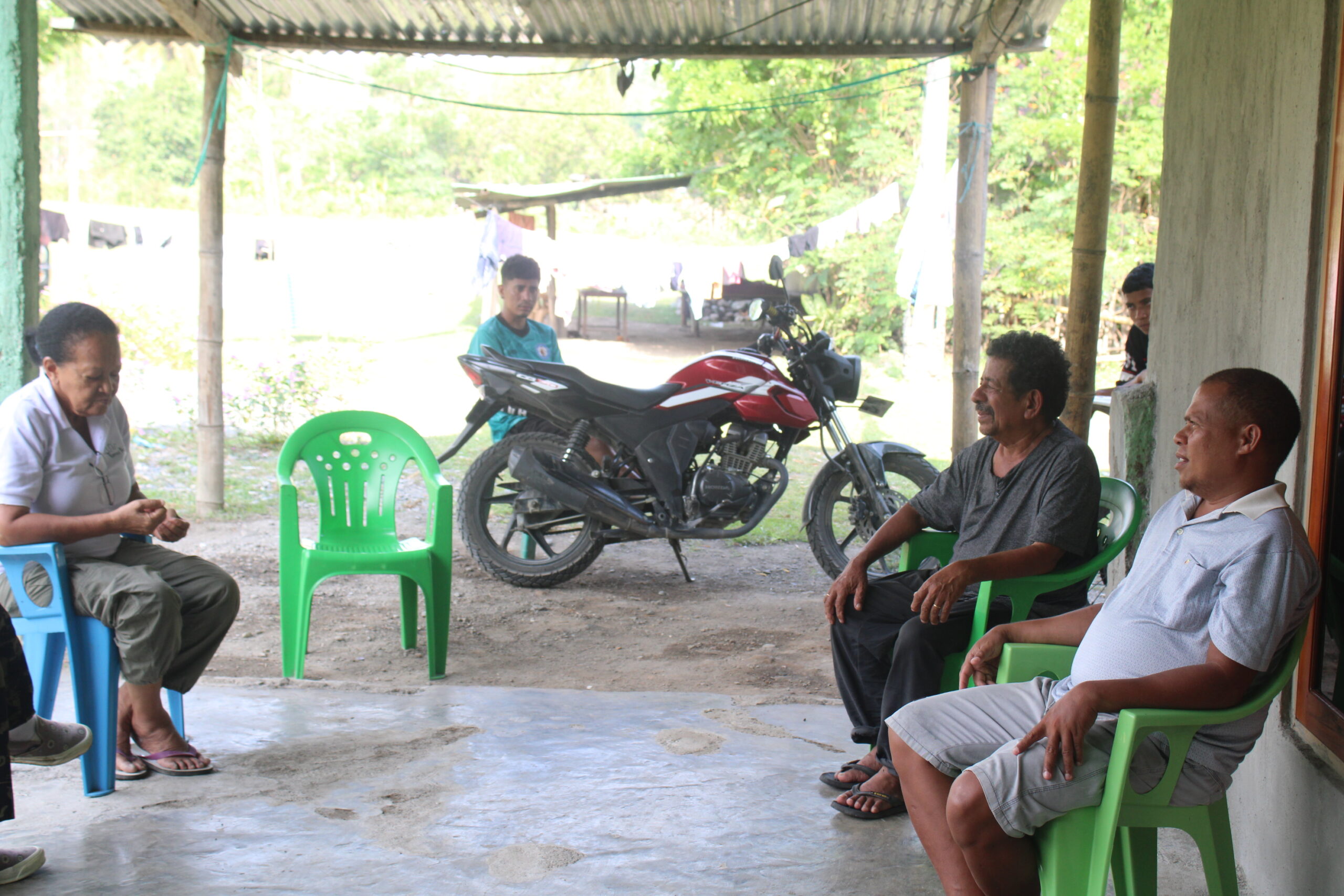

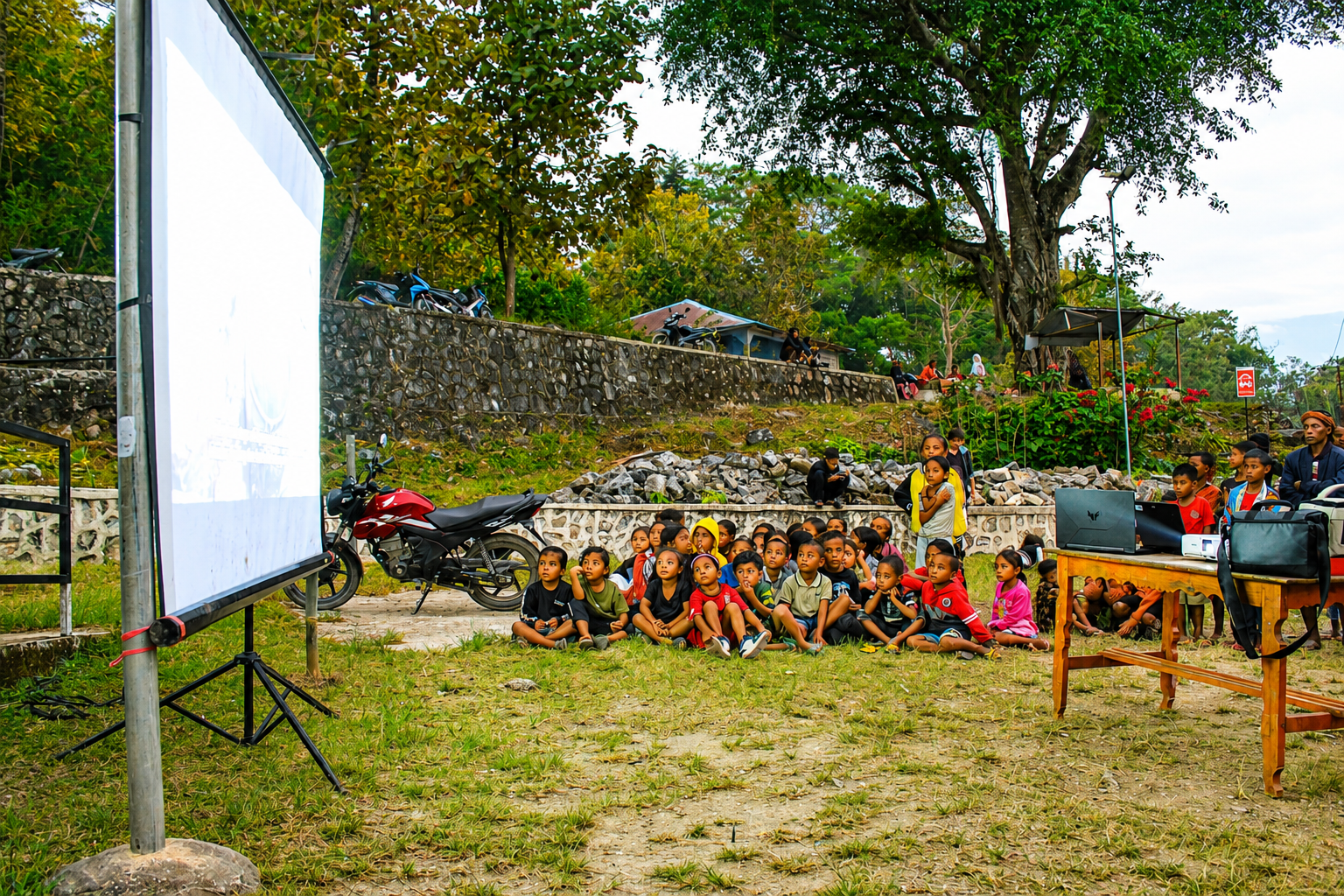

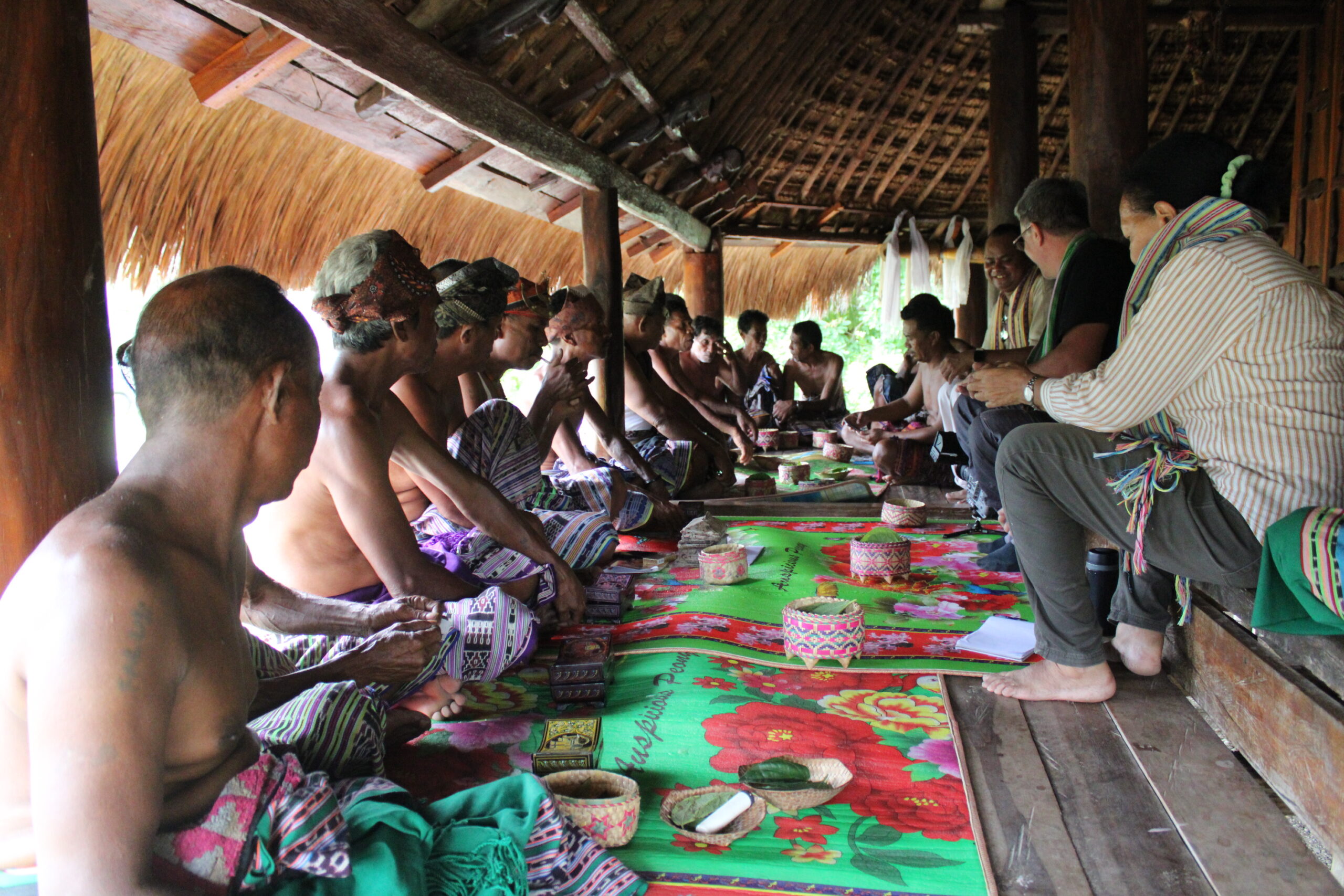

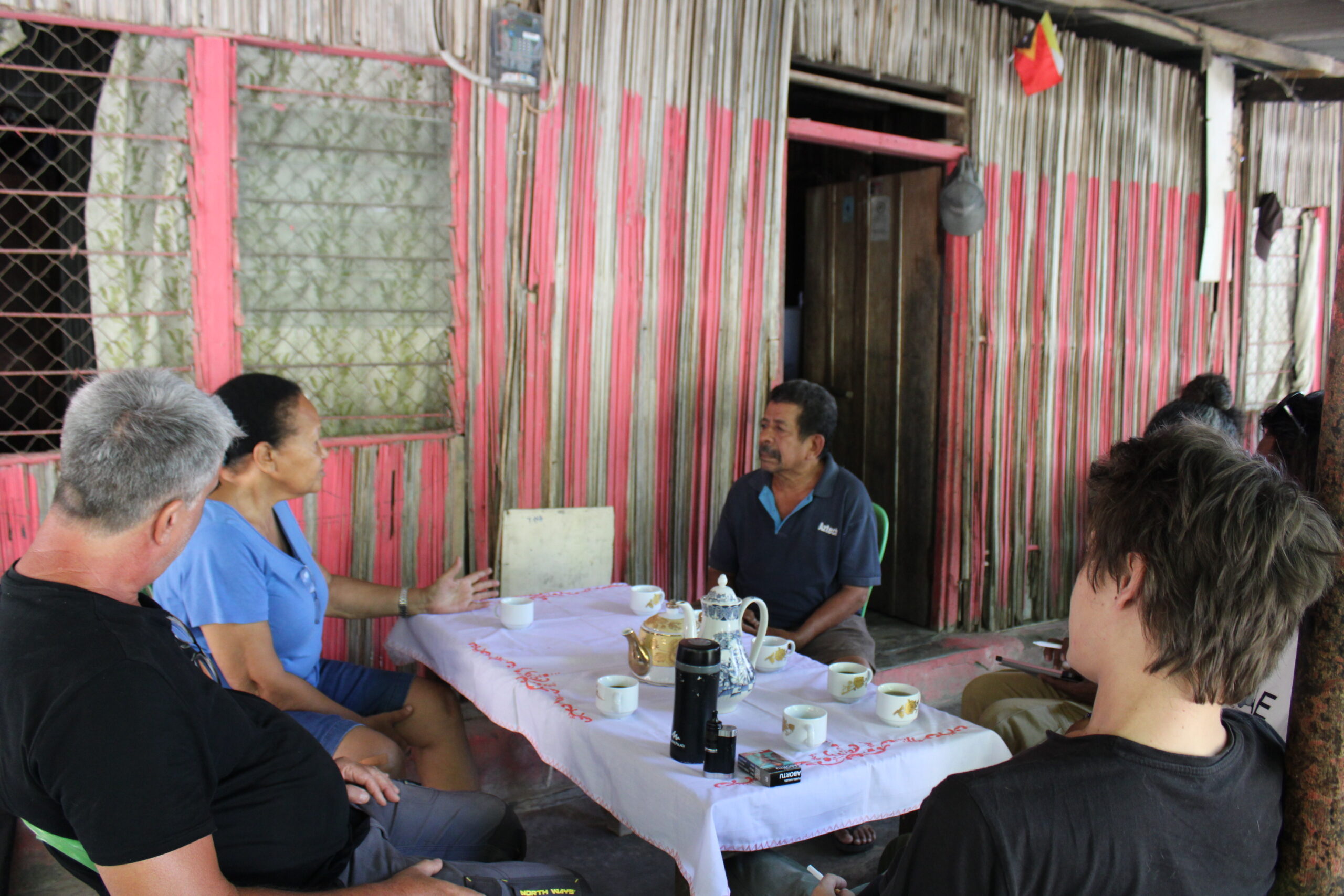

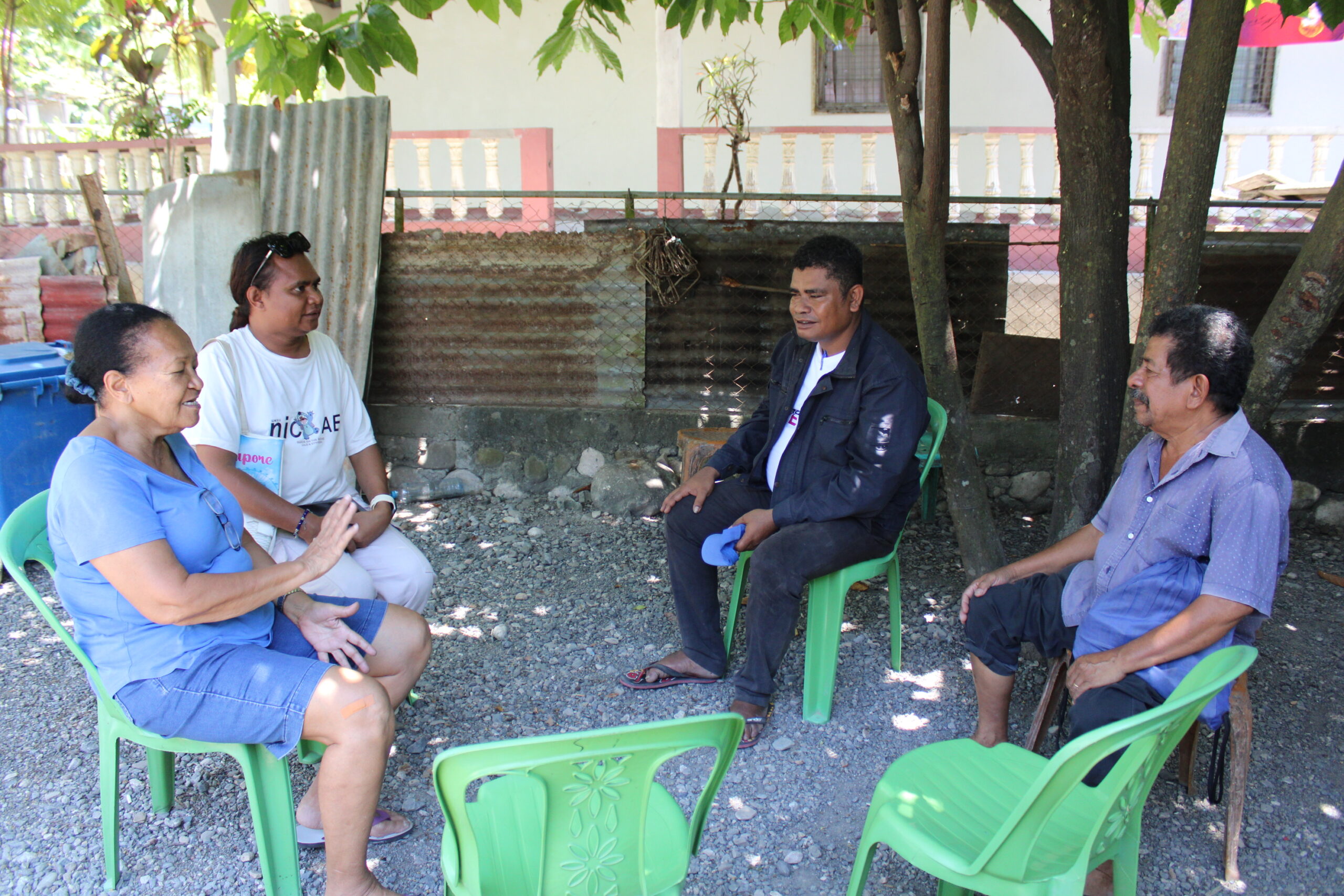
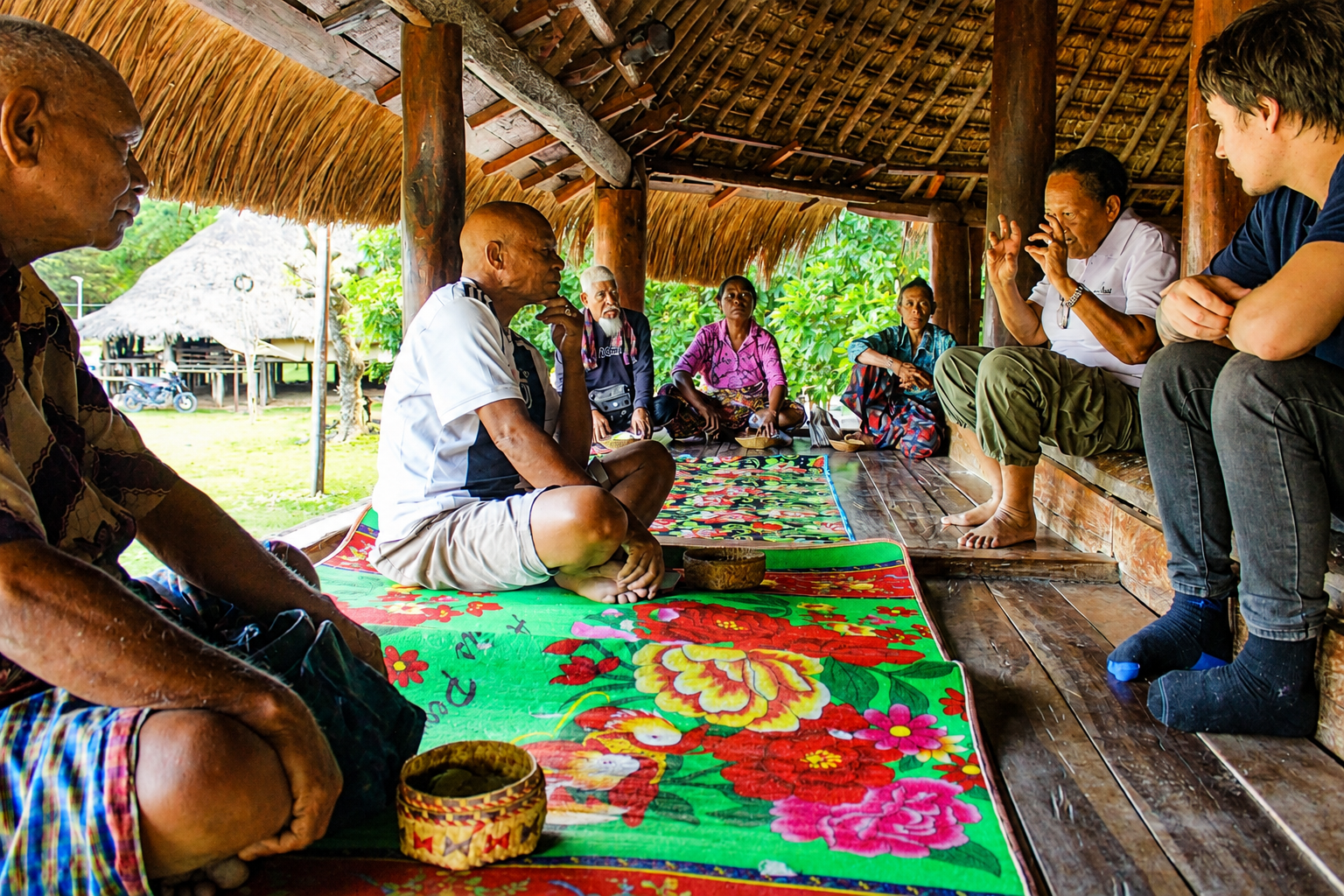


AFCP Project (2022-2023) -Timor Aid. Tais Research in two Municipality (Manatuto and Manufahi)
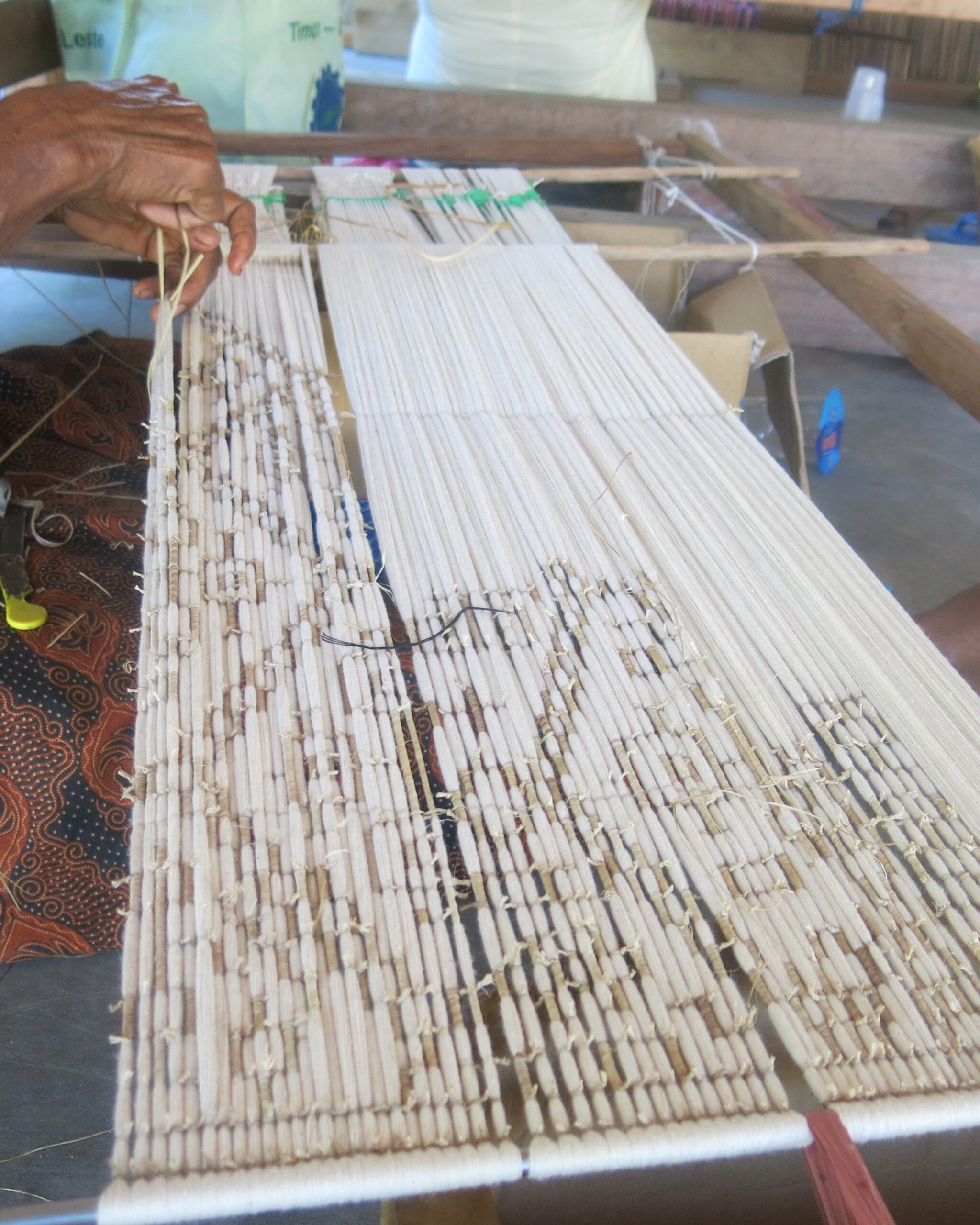
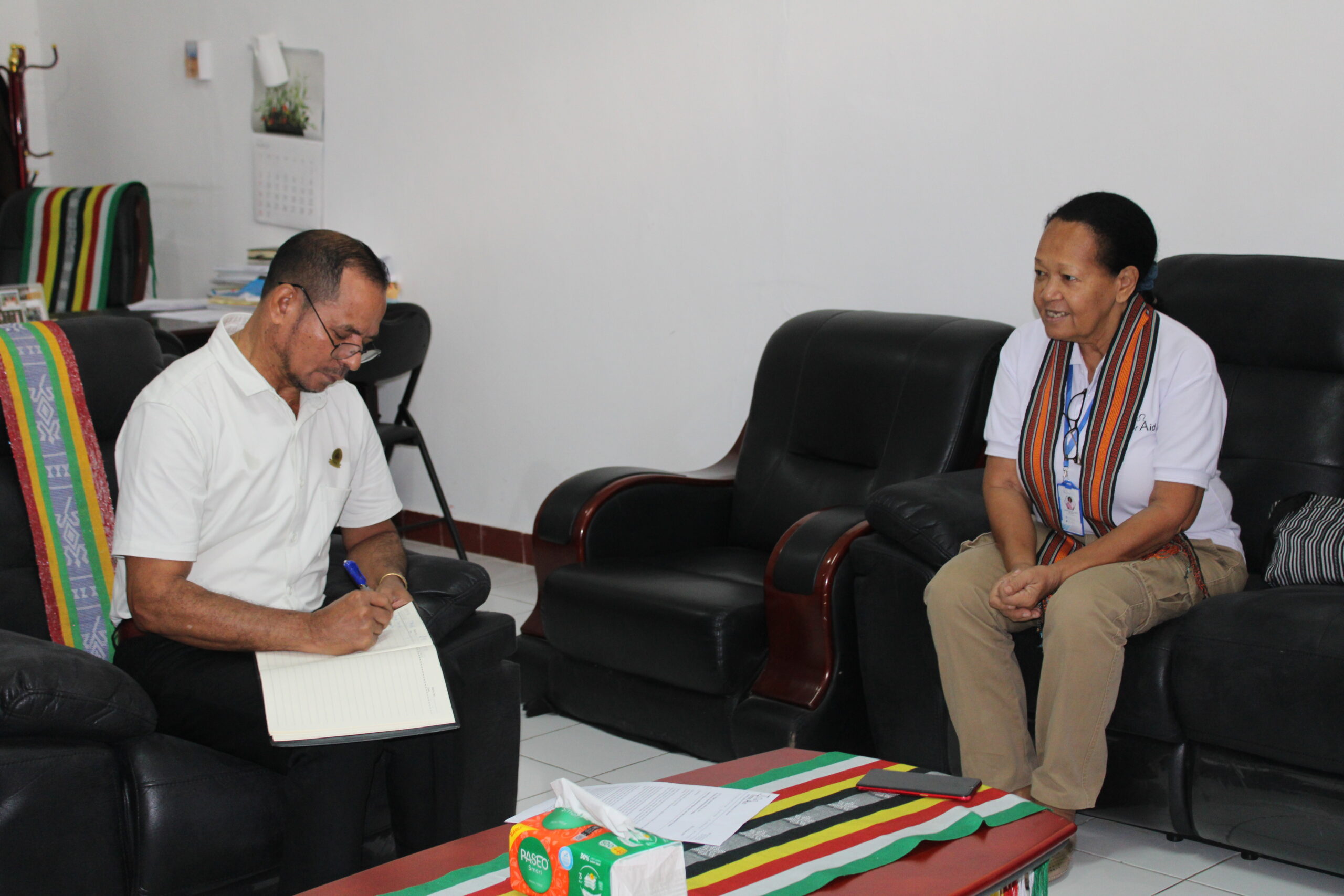
Timor Aid, Research and interviews with tais artisans and experts in two Municipality (Manatuto and Manufahi). Research tais, photos collection of motif tais. This Research as part of Timor Aid’s Cultural Preservation Project funded by the Ambassador’s Fund for Cultural Preservation (AFCP, U.S. Embassy-TL).
Research on Tais in Manatuto (2022–2023)
Research in Manatuto Municipality was conducted between 2022 and 2023. The first phase of the research took place from 14–18 June 2022, covering two Administrative Posts: Laclubar and Natarbora. The objectives of the study were to identify traditional tais, document their traditional motifs, and investigate the historical development of tais weaving in both areas.
In Laclubar, the research team successfully identified several types of traditional Tais. The team also met with local weavers and conducted interviews to document the history, cultural significance, and development of tais traditions that continue to be preserved by the local community.
In Natarbora, however, the team encountered significant challenges in locating traditional tais originating from the area. They were also unable to find any local weavers who were still actively weaving. The only weaver interviewed was originally from Oe-Cusse and had settled in Natarbora. Consequently, information regarding Natarbora’s indigenous weaving traditions was very limited.
Second Phase of Research in Manatuto Municipality
The second phase of the research was conducted from 11–16 September 2023 and covered four Administrative Posts in Manatuto Municipality: Manatuto Vila, Laleia, Soibada, and Laclo. This phase followed the initial study and aimed to expand the documentation of traditional tais, including their motifs, local weavers, and the historical development of weaving traditions in each area.
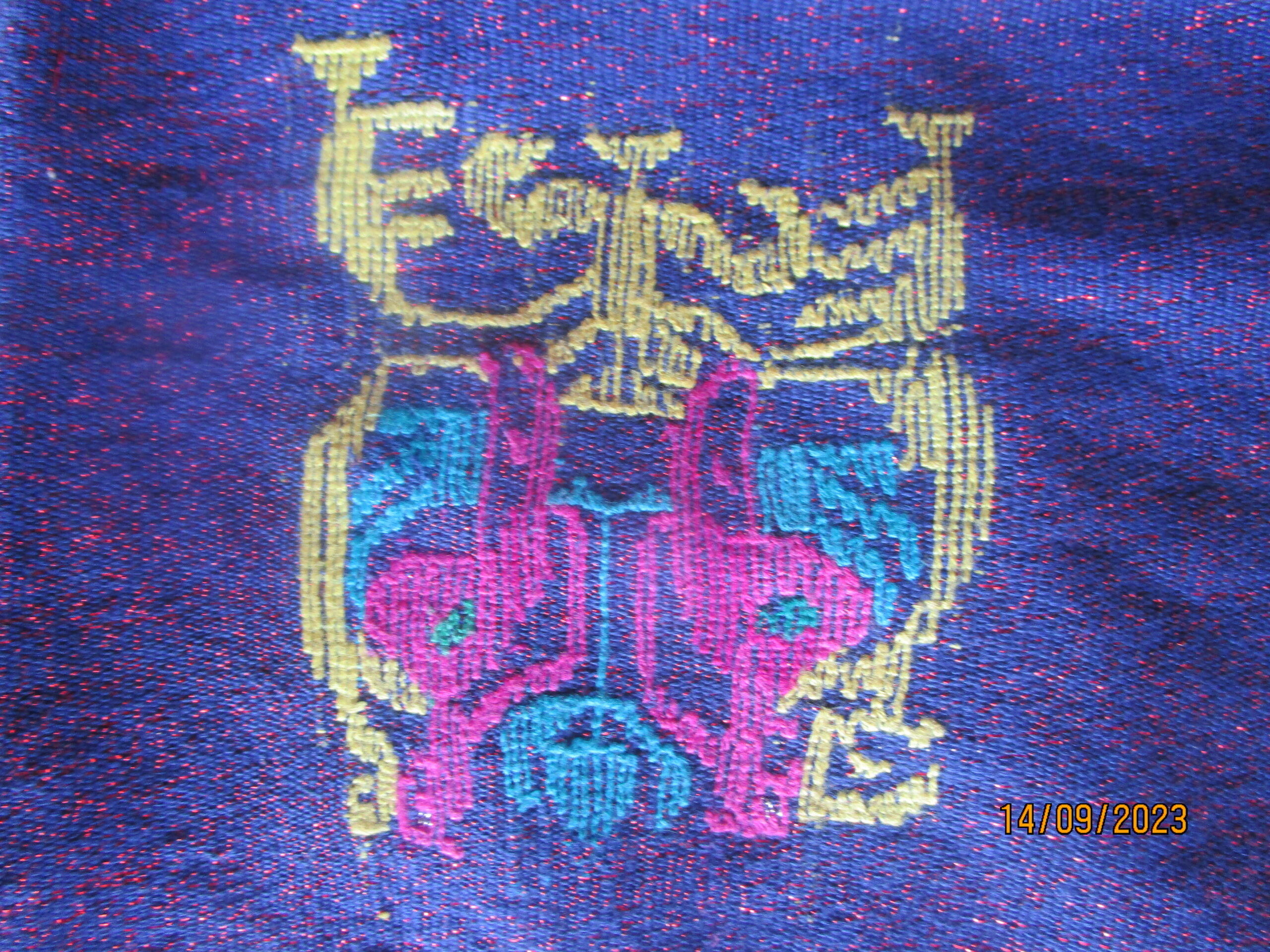
Research in Soibada revealed that both traditional tais and local weavers are now very limited. The research team experienced difficulties in locating tais that originated from Soibada, as most local residents currently use tais from Bobonaro and other regions of Timor-Leste. However, during a visit to the Manufahi Village in Soibada, the team documented a traditional tais preserved by the community’s customary leader. According to his account, the textile is an important cultural heirloom with significant historical value. Oral tradition holds that it was woven in a single night. This account, however, requires further research to verify its historical authenticity and to obtain supporting documentation.
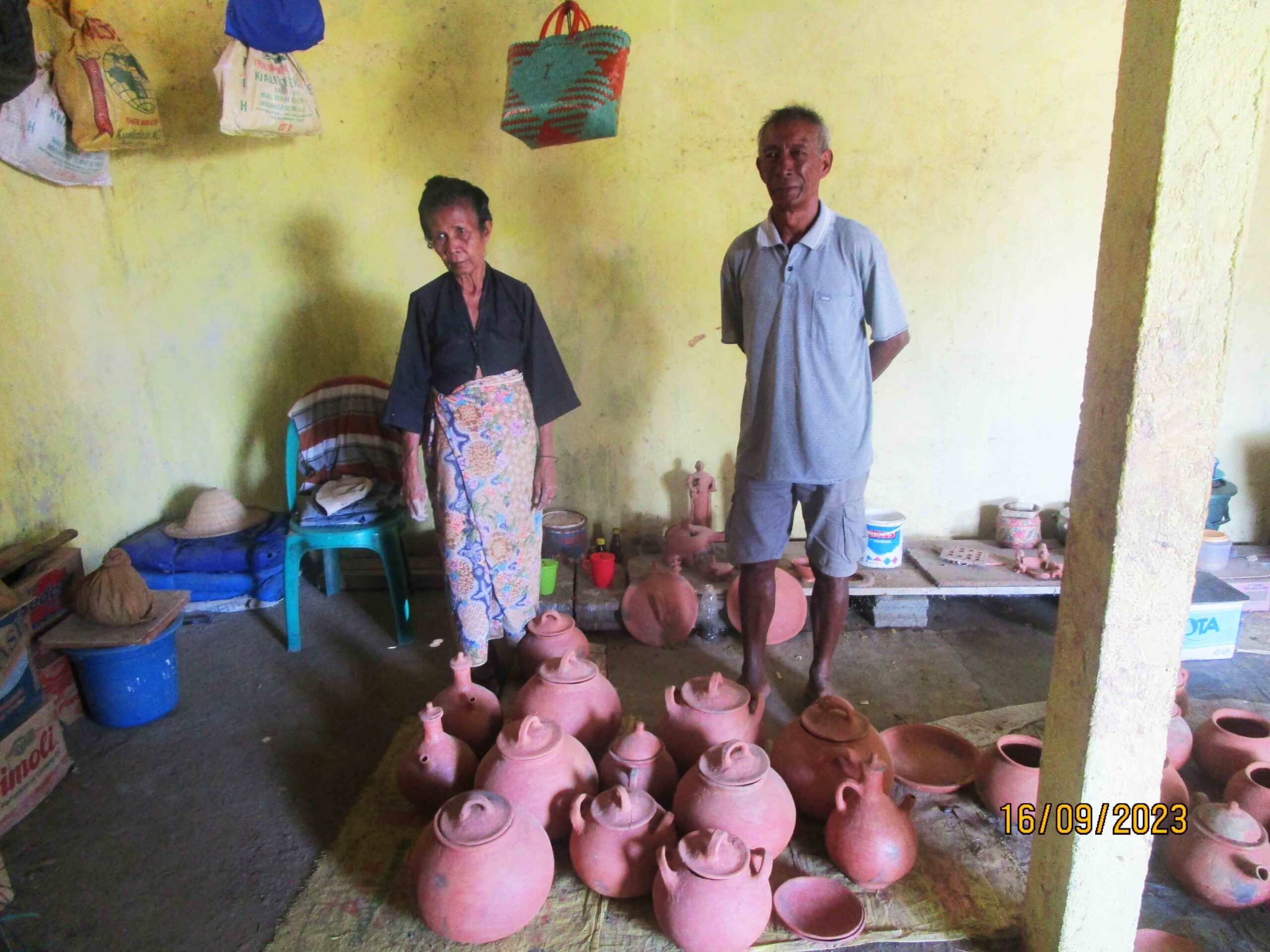
The research then continued in Manatuto Vila. In this area, the team was unable to identify any local weavers who were still actively practicing the craft. Nevertheless, the researchers documented an antique tais preserved by Mrs. Eva, who inherited it from her grandmother as a family heirloom. In addition to documenting the textile, the team found that the people of Manatuto Vila continue to preserve the tradition of pottery making, which remains an important element of the area’s cultural heritage. Based on field observations and interviews, most residents currently use tais originating from other regions, suggesting that the local weaving tradition has significantly declined.
In Laleia, the research successfully identified traditional tais as well as local weavers who continue to practice the craft, particularly within the Kairui Village. The documentation indicates that the motifs, weaving techniques, and textile characteristics closely resemble those of the tais used by the Makasae people, suggesting historical connections and cultural interaction between the two communities.
The final stage of the research was carried out in Laclo. In this area, the team found a relatively large number of active local weavers and documented a wide variety of traditional tais that are still produced and used by the community. The documentation shows that tais from Laclo share several similarities with those from Laclubar and Baucau, particularly in the use of motifs and weaving techniques. However, differences were observed in the naming of motifs, design composition, and symbolic meanings, reflecting the distinct cultural identity of each community.
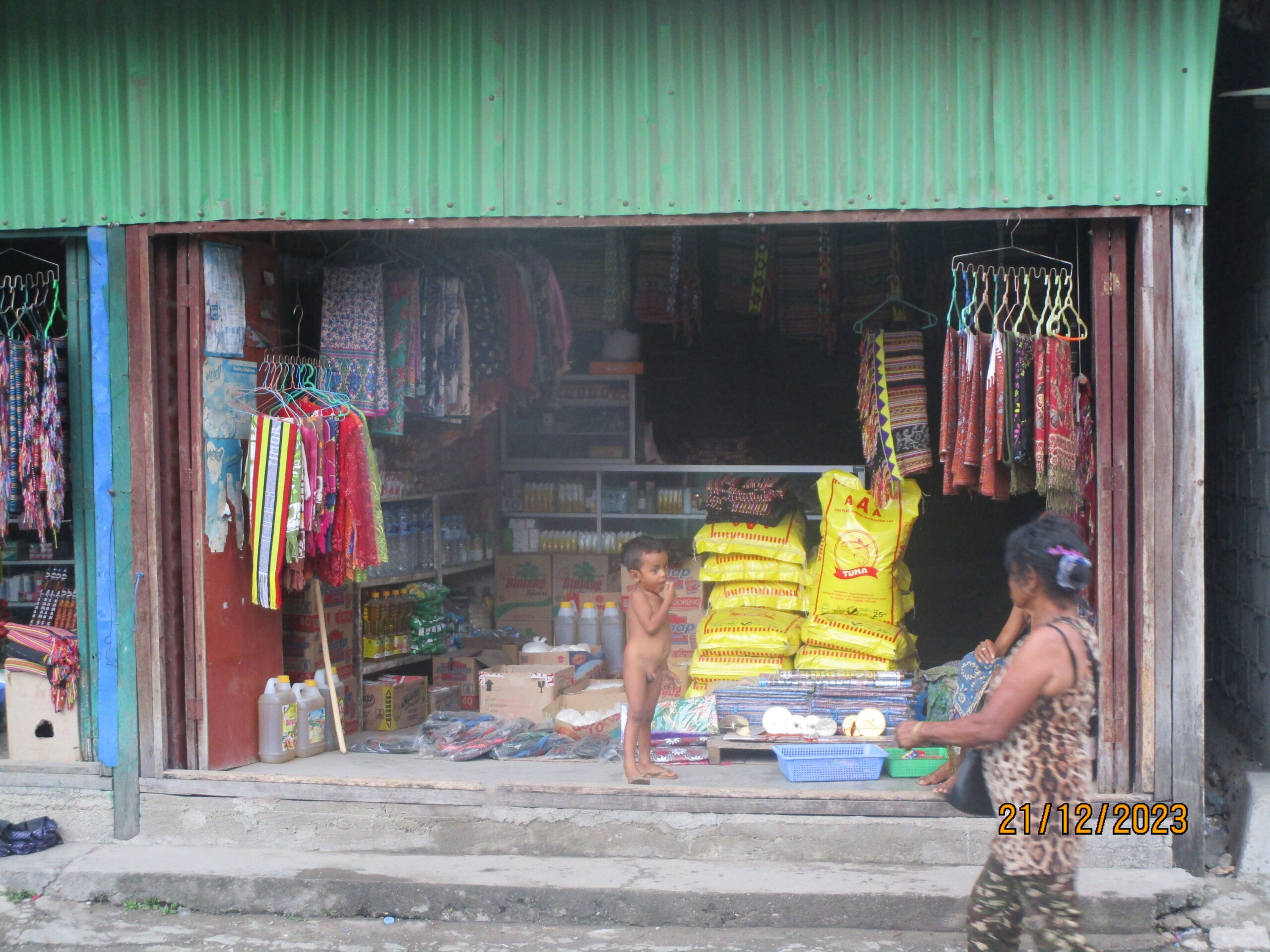
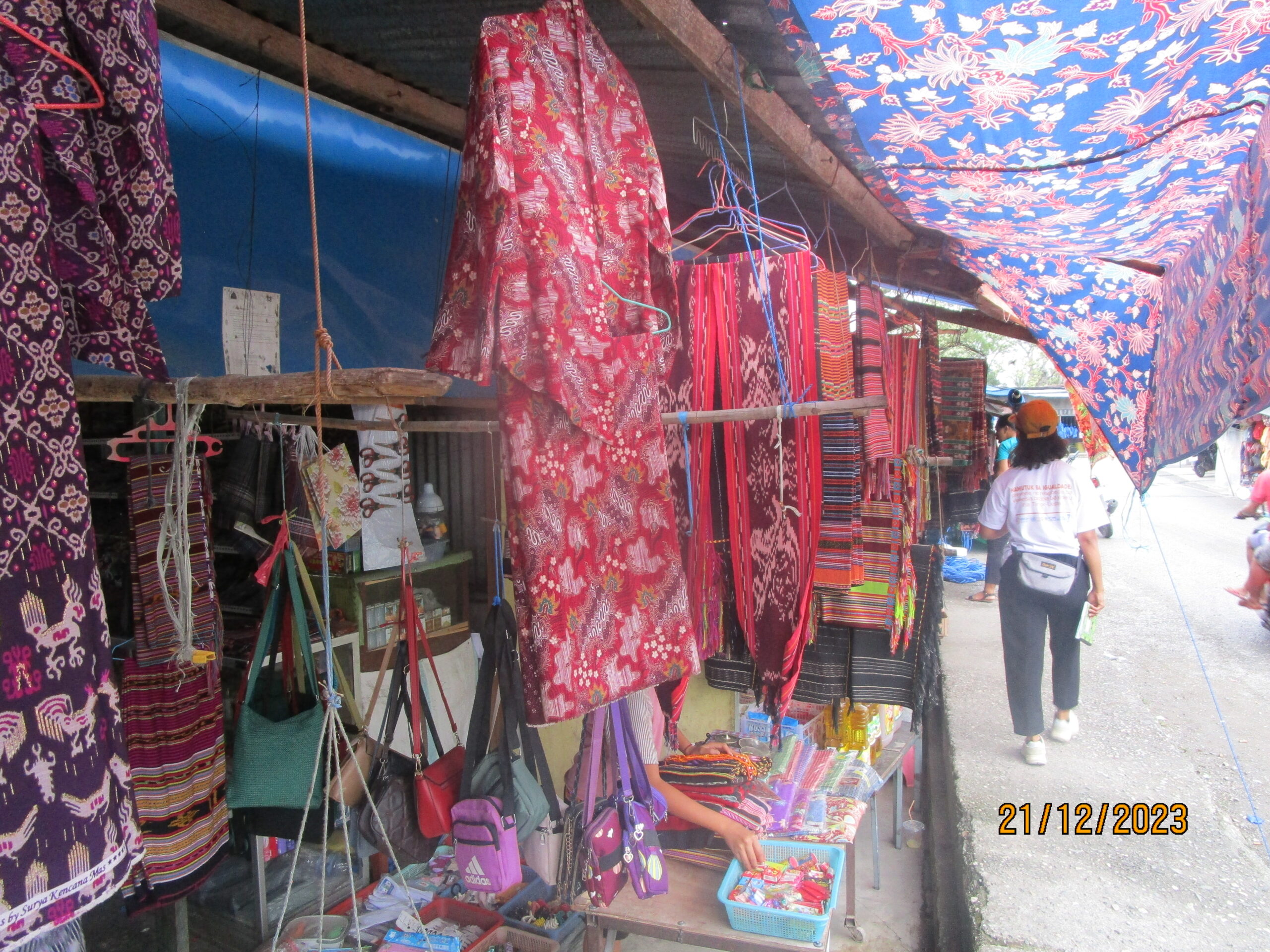
Overall, the findings of the second phase of the research demonstrate that the preservation of weaving traditions in Manatuto Municipality varies considerably from one area to another. While some communities continue to maintain their weaving traditions and associated indigenous knowledge, in other areas these traditions have gradually declined, and people increasingly rely on tais produced in other regions. These findings provide an important foundation for the documentation, safeguarding, and preservation of the cultural heritage of tais weaving in Manatuto Municipality.
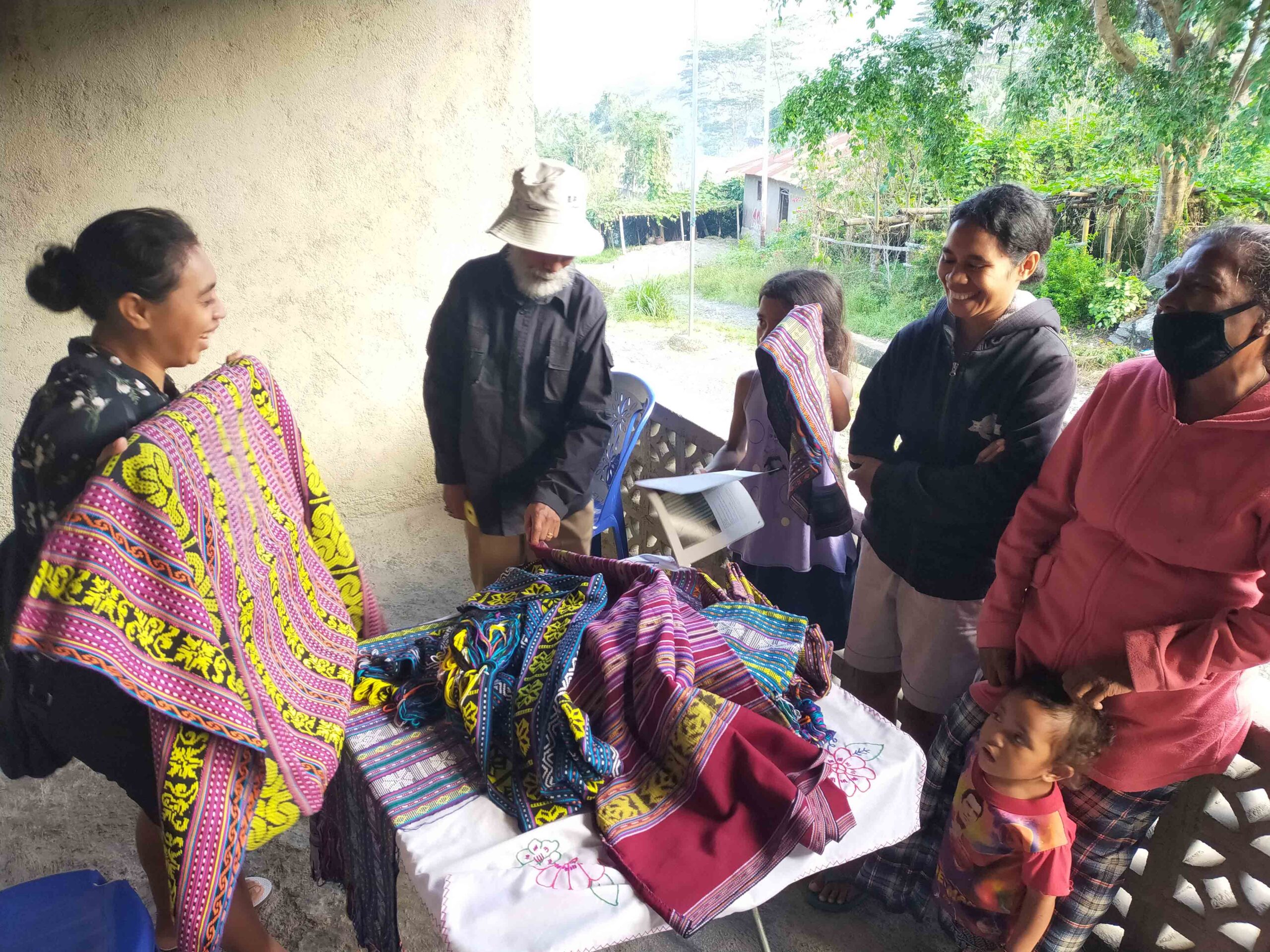










Research on Tais in Manufahi Municipality (2022–2023)
Research on the tais weaving tradition in Manufahi Municipality was conducted during the period 2022–2023 as part of the Timor Aid Cultural Preservation Project, supported by the Ambassadors Fund for Cultural Preservation (AFCP). The research aimed to document the existence of traditional tais, their distinctive motifs, symbolic meanings, and the indigenous knowledge that continues to be transmitted within local communities.
The first phase of the research was carried out from 27 June to 1 July 2022 in Same Vila Administrative Post. Through field observations and interviews with local weavers, customary leaders, and community members, Timor Aid documented one of Manufahi’s distinctive traditional tais, known as Gastu Mutin (White Tais).
According to the informants, Gastu Mutin features different motifs for men’s tais (tais mane) and women’s tais (tais feto). On the men’s tais, the most prominent motif is the crocodile, symbolizing loyalty, strength, and courage. In contrast, the women’s tais incorporates the bitter melon leaf motif, representing fertility, the continuity of life, and the hope that women will bear descendants who continue to flourish, just as the bitter melon vine grows and spreads.
The research also found that the people of Same recognize four principal categories of traditional tais, distinguished by their colors and social functions:
- Gastu Mutin (White Tais) – Traditionally worn by the king, queen, or the highest-ranking leaders during customary ceremonies.
- Gastu Metan (Black Tais) – Worn by customary leaders or traditional authorities during ceremonial and ritual activities.
- Gastu Mean (Red Tais) – Traditionally reserved for warriors, symbolizing courage, honor, and valor.
- Gastu Modok (Green Tais) – Worn by ordinary community members, particularly farmers, representing everyday life and the agricultural livelihood of the people.
Although this traditional classification system is still recognized within the community, the research indicates that Gastu Mutin remains the type of tais most widely preserved and continues to be used in a variety of customary ceremonies. At the same time, the community has increasingly adopted tais from other regions of Timor-Leste, reflecting ongoing social and cultural change.
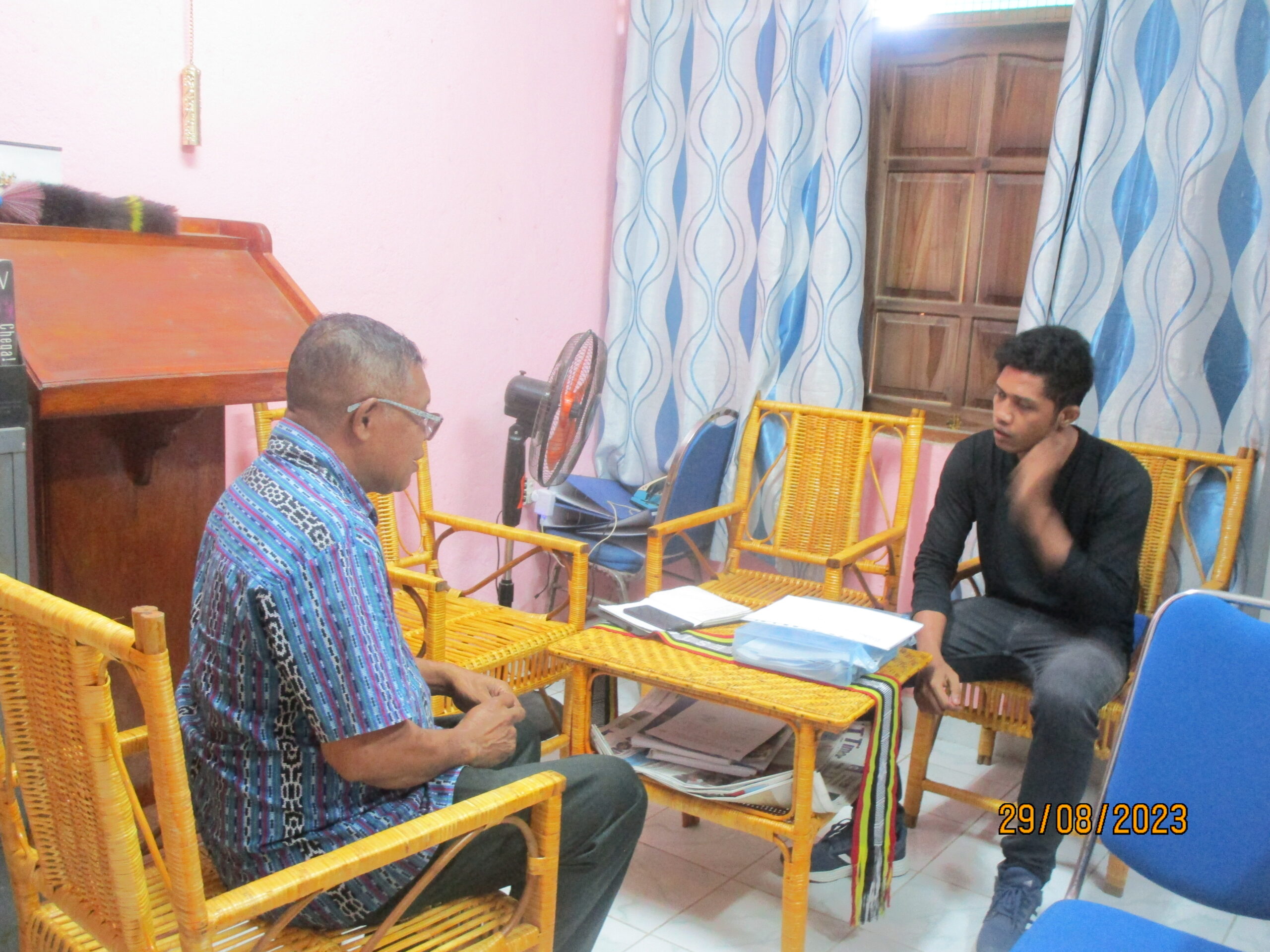
The second phase of the research was conducted from 28 August to 1 September 2023 in three Administrative Posts of Manufahi Municipality: Alas, Fatuberliu, and Turiscai. This phase aimed to continue the documentation of traditional tais, the presence of local weavers, and the development and continuity of weaving traditions across the municipality.
The first field study was carried out in Alas. Based on field observations and interviews with local community members, the research team found no evidence of traditional tais that could be identified as originating from Alas, nor did they identify any local weavers who continue to produce tais specific to the area. Most of the tais used by the community were found to originate from Bobonaro Municipality and other regions of Timor-Leste. The active weavers identified in Alas were predominantly migrants from other regions rather than members of the local Alas community.
The research then continued in Fatuberliu. The findings were similar to those in Alas. The team was unable to document any indigenous tais or identify native Fatuberliu weavers who continue to preserve the local weaving tradition. Instead, community members primarily use tais produced in other parts of Timor-Leste, particularly those from Bobonaro and neighboring regions.
The final stage of the research was conducted in Turiscai. In this area, the research team likewise found no traditional tais that could be identified as part of Turiscai’s local cultural heritage, nor did they find any active local weavers maintaining the tradition. According to interviews with community members, the people of Turiscai now predominantly use tais originating from other regions of Timor-Leste. The few active weavers identified during the study were also migrants from outside Turiscai rather than members of the local community.
The research also found that the majority of weavers who are currently active in Same originate from outside Manufahi Municipality. Only a relatively small number of indigenous Manufahi weavers continue to preserve the traditional weaving techniques and motifs. This situation indicates a decline in the transmission of weaving knowledge to younger generations and highlights the need for continued documentation, safeguarding, and knowledge transfer initiatives to ensure that Manufahi’s distinctive tais weaving tradition is preserved for future generations.
Coming Soon
Coming Soon
Talk to us
Have any questions? We are always open to talk about our work, new projects, opportunities and how you can get involved.